Protect Rio Chama
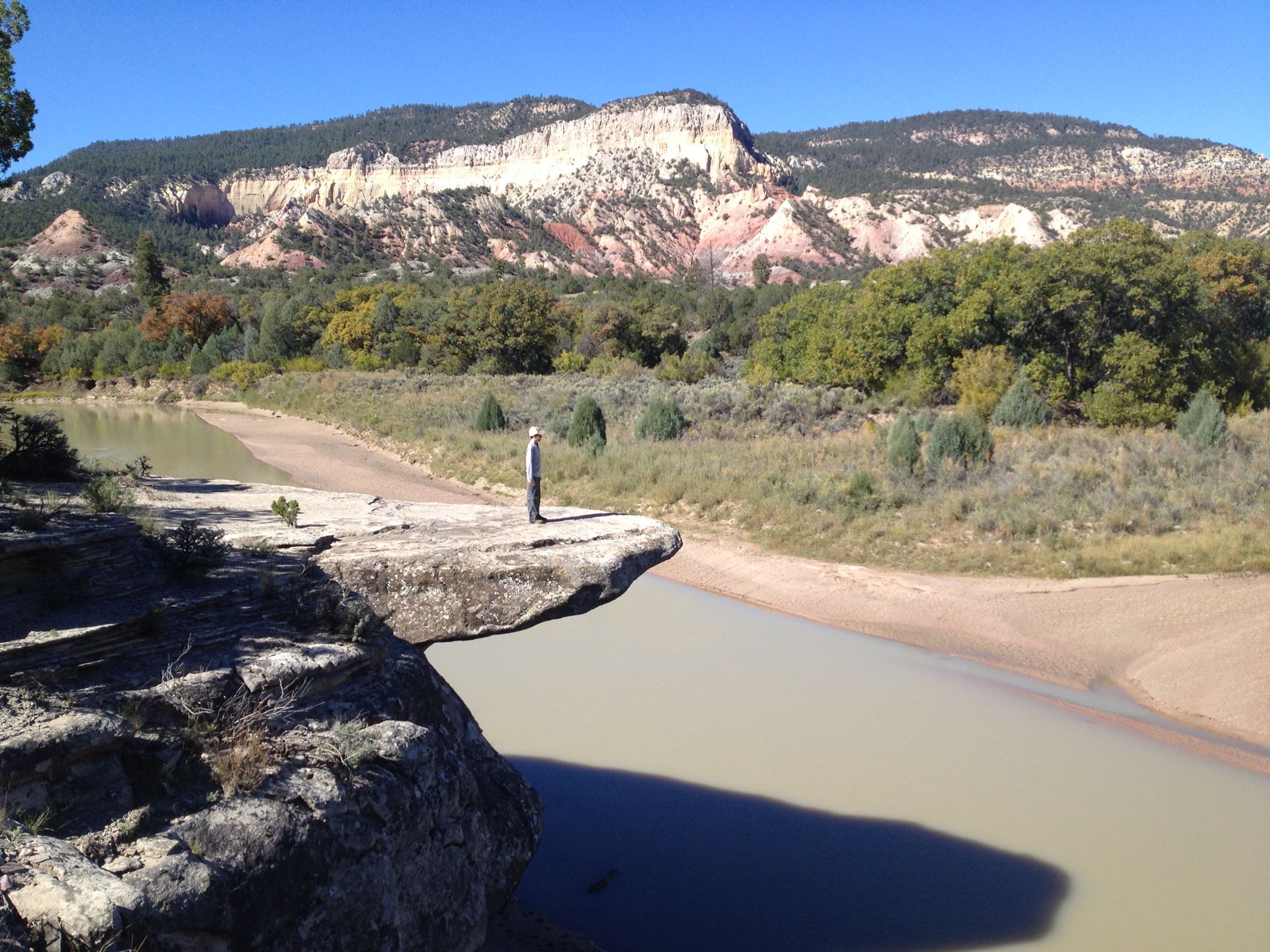
A Canadian mining company wants to explore for uranium in the headwaters of the Rio Chama, threatening the water source for acequia farmers, land grants, tribal nations, ranchers, and thousands of families across northern New Mexico.
The Issue
Gamma Resources Ltd., a Vancouver-based company with no production history and a $22 million accumulated deficit, has proposed exploratory uranium drilling within the Carson National Forest near Canjilón, New Mexico. This is not a small survey, it is the opening move toward full uranium extraction from the headwaters of the Rio Chama.
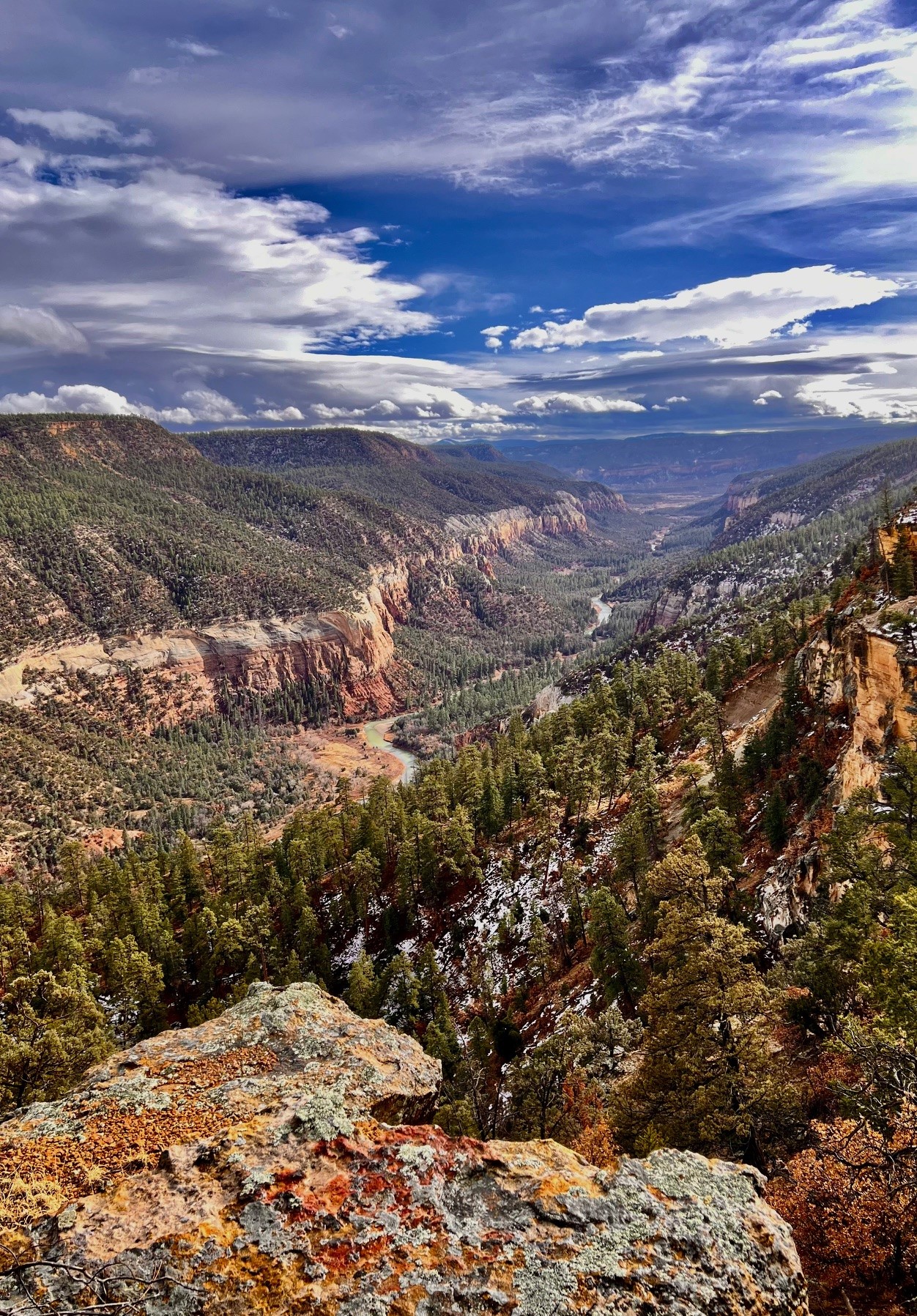
The Rio Chama feeds acequia systems, traditional Hispano communities, tribal communities, shallow domestic wells, and agricultural operations throughout northern New Mexico. Uranium contamination, once it enters an aquifer, may be impossible to fully remediate.
local opposition is growing
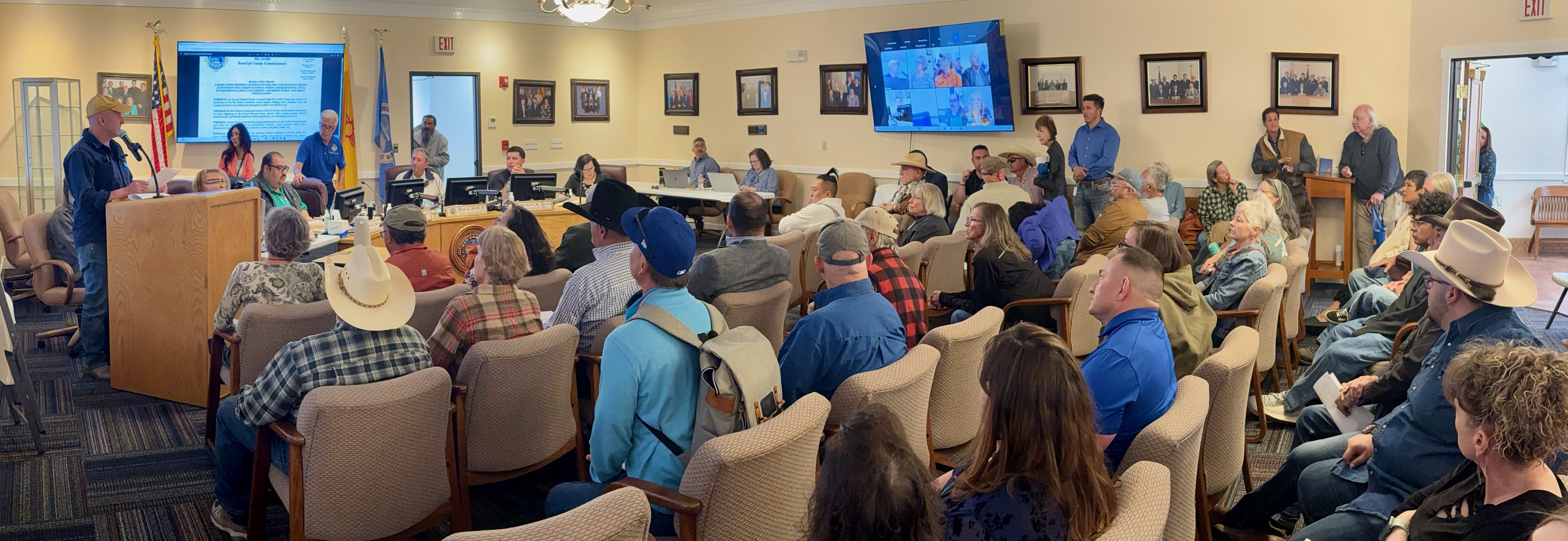
The Upper Chama Soil and Water Conservation District passed a resolution on April 21 demanding a full Environmental Impact Statement, a drilling moratorium, tribal consultation, and water quality testing, followed two days later by the Rio Arriba County Commission’s unanimous vote opposing uranium exploration. Both resolutions work within federal law, insisting that the 1872 Mining Act’s right to mine does not excuse faithful application of NEPA, the Clean Water Act, and Forest Service regulations.
“Energy security built on the contamination of tribal water systems and century-old acequia infrastructure is not security — it is the transfer of risk from a foreign company’s shareholders to New Mexico’s rural communities.”
— U.S. Senators Ben Ray Luján & Martin Heinrich, and Rep. Teresa Leger Fernández, Letter to Carson National Forest Supervisor
The Rio Chama Basin & Outdoor Recreation
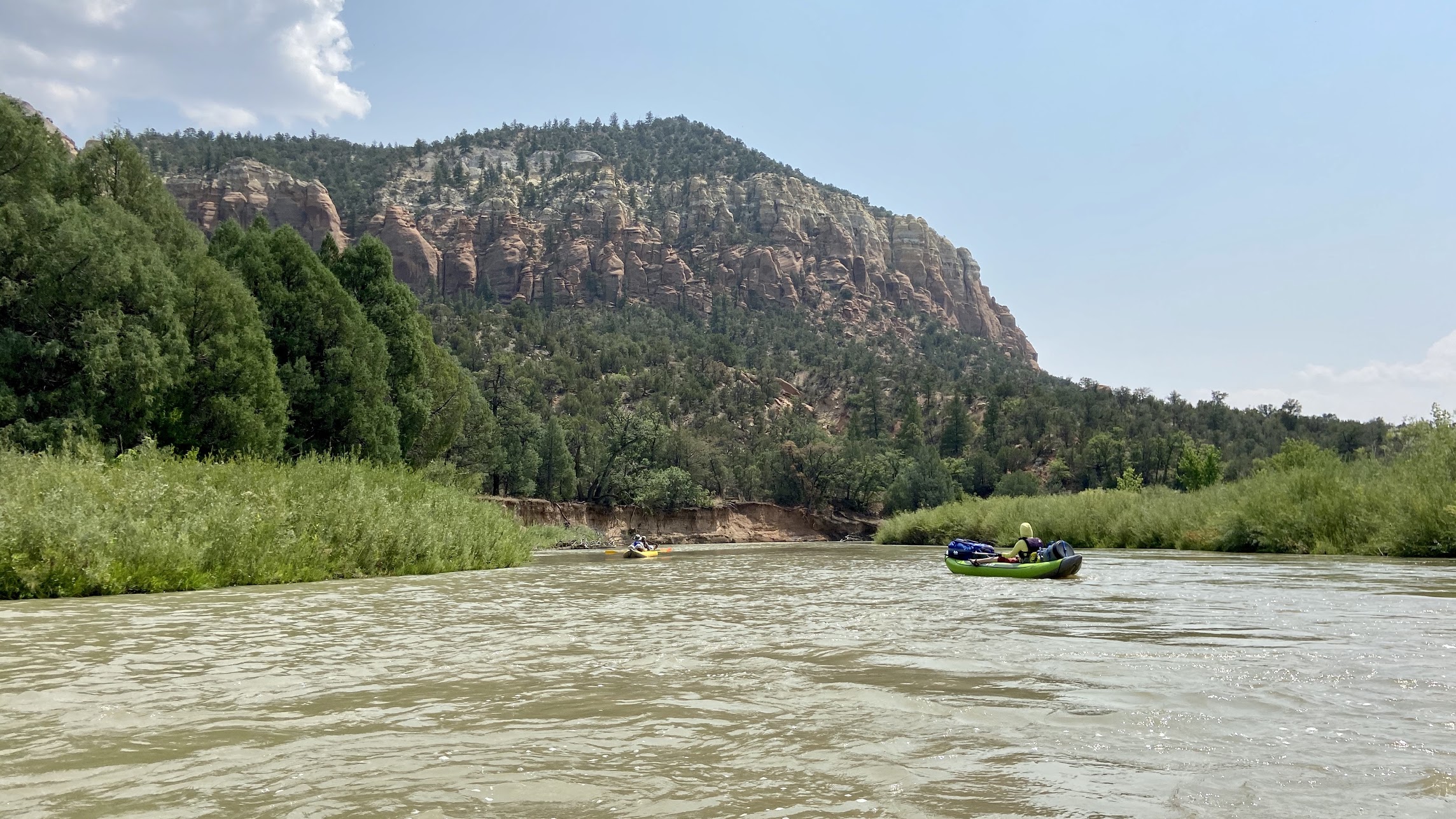
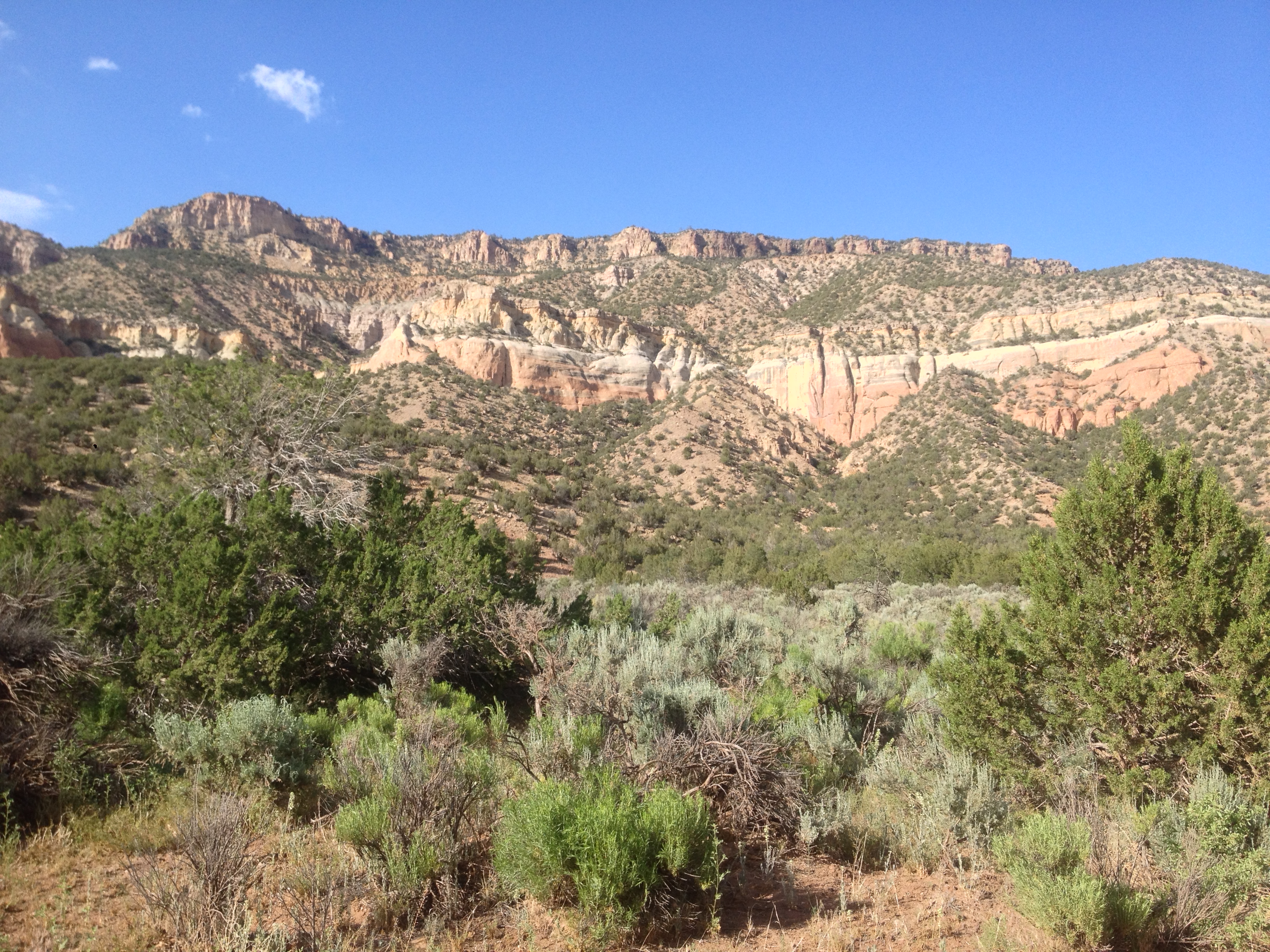
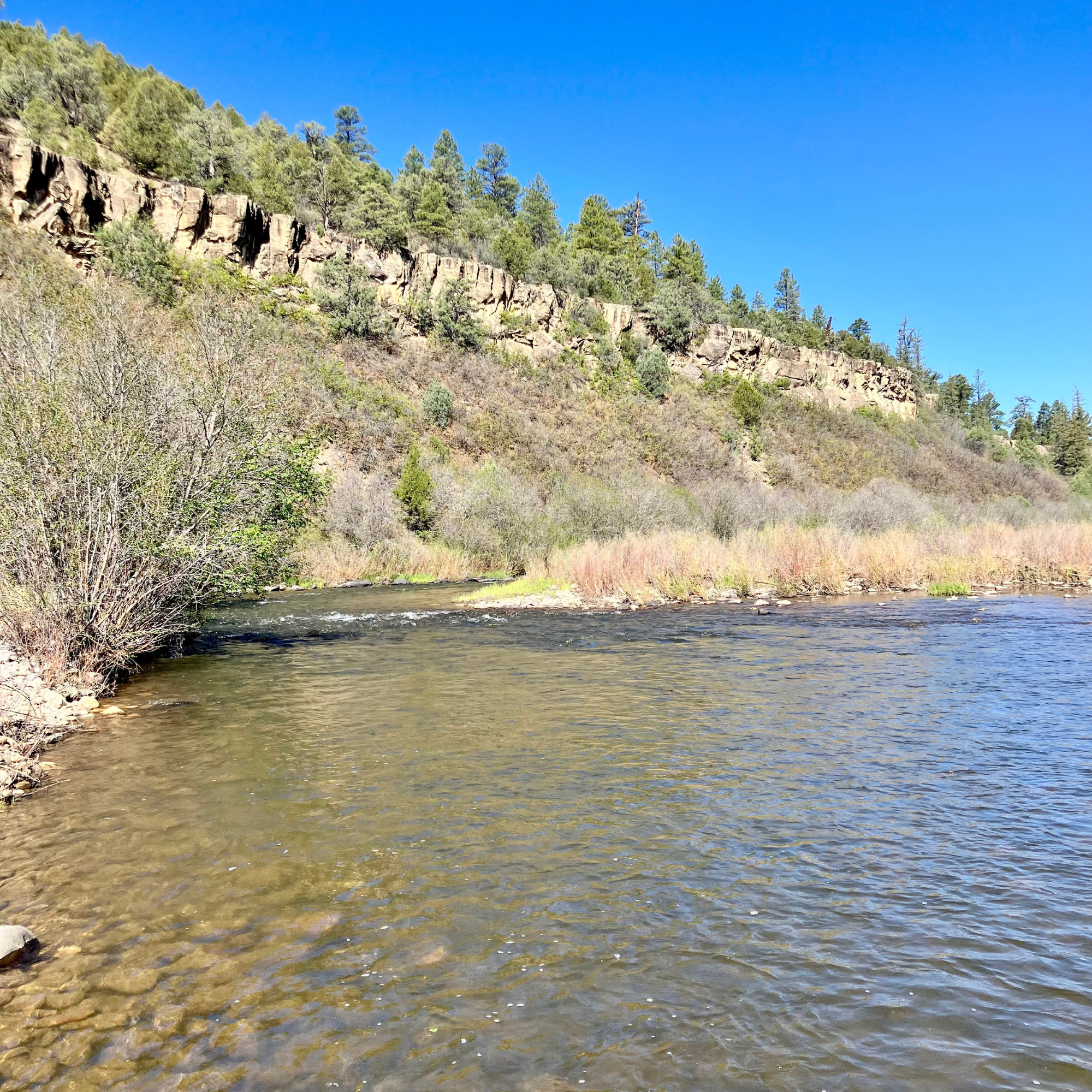
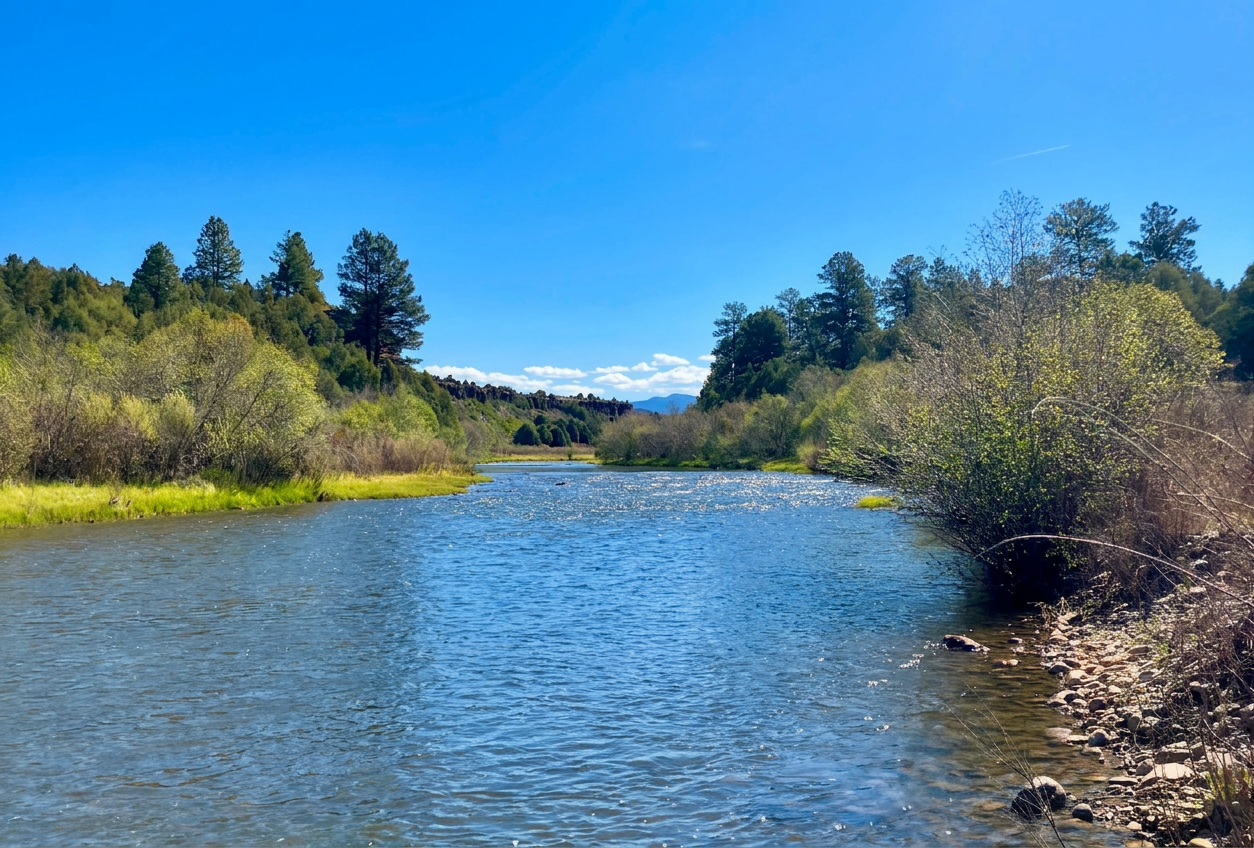
The Rio Chama Basin is both a treasured landscape and an economic cornerstone for northern New Mexico, drawing rafters, anglers, and hunters to its waters and national forest lands while sustaining generations of local families. This outdoor recreation economy—guides, outfitters, and small businesses—depends entirely on clean water. Uranium contamination would harm drinking water and agriculture, and devastate the tourism and fishing industries that provide livelihoods, making water quality a fundamental economic issue as much as a public health one.
Elected Leaders Standing up for the Chama
U.S. Sen. Ben Ray Luján
Lead author, Chama Basin Watershed Protection Act
Sponsor of the protective legislation. Organized a three-track strategy to make this project too costly and legally complicated to proceed.
U.S. Sen. Martin Heinrich
Co-signer, April 9 delegation letter to Forest Service
Joined the call for a full Environmental Impact Statement and suspension of Forest Service review pending congressional action to protect the watershed.
State Rep. Tara Luján
Co-signer, state legislative letter to Forest Service
Supported the call to withdraw the Chama watershed from all forms of mineral entry and protect acequia communities and tribal nations.
U.S. Rep. Teresa Leger Fernández
Co-signer, April 9 delegation letter to Forest Service
Called on the Forest Service to require comprehensive baseline water quality testing throughout the watershed before any surface disturbance is authorized.
State Rep. Cynthia D. Borrego
Formal statement of opposition, April 10, 2026
Expressed that communities of such historic, cultural, and traditional significance would suffer, similar to the still-unremediated Questa mining site.
Comm. Chairman Moises Morales
Rio Arriba County Commission resolution adopted
The Commission formally opposed uranium exploration and demanded a full EIS, public consultation, and baseline groundwater data, unanimously.
 PROTECT RIO CHAMA